What does life near the lakefront in Mandeville actually feel like day to day? If you are thinking about buying, selling, or simply getting to know this part of town better, you probably want more than a map pin and a few listing photos. You want to understand the pace, the housing mix, and the kinds of routines people build here. This guide walks you through what stands out about homes and everyday life near the Mandeville lakefront, so you can picture how the area may fit your goals. Let’s dive in.
Mandeville lakefront living at a glance
Near the lakefront, Mandeville feels shaped by public spaces as much as private homes. City materials describe the area through its lakefront, bayous, parks, walking paths, biking trails, restaurants, and shopping, which helps explain why the setting feels connected and outing-oriented.
Instead of revolving around one single attraction, the area supports a steady rhythm of small, repeatable routines. You can picture a morning walk under the oaks, a bike ride on the trail, a stop at the market, and an evening by the water. That mix is a big part of what gives the lakefront area its appeal.
The lakefront sets the tone
The Mandeville Lakefront is the city’s defining backdrop. It is an official passive park about one mile long, established in 1834 and originally set apart by the town’s founder.
That history still shapes the experience today. The city points to the rebuilt gazebo and fountain as reminders of an earlier resort era that once included wharves, steamer traffic, an electric rail car, and bath houses.
Just as important, the lakefront is not only scenic. It also works as a practical community space, with reservable areas like the Lakefront Gazebo on Carroll Street and Sunset Point, while Paul Cordez and Tyler Thomas Parks are open on a first-come basis.
For you as a buyer or seller, that matters because it shows how the shoreline functions in everyday life. It is a place for strolling and sunsets, but also for picnics, small gatherings, and community use that keeps the area active without feeling overly busy.
Everyday routines feel outdoorsy and low-key
One of the clearest patterns near the lakefront is how much daily life leans on simple outdoor habits. This is not just a place for occasional weekend outings. The public spaces are built in a way that supports frequent use.
Trailhead market adds weekly rhythm
The Mandeville Trailhead Market helps anchor that routine. Located in Old Historic Mandeville, the market hosts more than 80 local artisans, producers, and growers according to the city.
The Trailhead area adds more than shopping. It also includes public restrooms, pavilions, an amphitheater, a lookout tower, picnic facilities, and a splash fountain used by children from March through October, along with free Friday evening concerts.
That gives the area a consistent weekly pattern. If you enjoy places where people gather in simple, everyday ways, the Trailhead adds another layer beyond the lake itself.
Tammany Trace expands your range
The Tammany Trace gives lakefront-adjacent living a wider reach. Official tourism materials describe it as a 31-mile paved rail-trail connecting Covington, Abita Springs, Mandeville, Lacombe, and Slidell, and note that it is open year-round from daylight to dark.
The Mandeville Trailhead is one of the main access points, which makes this part of town especially convenient for people who like walking, biking, or planning short local outings. You are not limited to one waterfront strip. The trail ties Mandeville into a broader Northshore routine.
State park access broadens recreation
Just east of town, Fontainebleau State Park adds another option for outdoor time. Louisiana State Parks describes the park as 2,800 acres on Lake Pontchartrain with a beach, hiking, paddling, camping, wildlife viewing, and a nature trail.
The Tammany Trace also runs through the park, which helps connect these outdoor amenities in a practical way. For buyers comparing areas, that kind of access can make day-to-day life feel more flexible and less car-centered around a single destination.
Dining and events shape the social scene
Life near the lakefront is not only about quiet views. It also includes a recurring social calendar made up of restaurants, concerts, markets, and seasonal events.
Along Lakeshore Drive and nearby downtown areas, the dining mix includes places like Barley Oak, Rips on the Lake, Pat’s Rest Awhile, Tandem Coffee and Cocktails, and Lago. Together, they reinforce the idea that the area supports casual meetups, lake views, and short outings rather than a fast-paced entertainment district.
Seasonal events strengthen that pattern. The city lists Light Up the Lake and Liberty on the Lake at the Mandeville Lakefront for July 4, 2026, with live music, family activities, and fireworks over Lake Pontchartrain.
The city calendar also highlights Krewe Du Pooch at the Mandeville Trailhead for February 28, 2026, and Sunset Symphony on the Lakefront for October 24, 2026 with the Louisiana Philharmonic Orchestra. Festival of the Lake is another long-running seasonal marker in Mandeville, with free admission, live music, food, and family activities held on church and school grounds rather than directly on the lakefront.
For you, this means the area’s social energy often comes from recurring public events instead of constant commercial intensity. That can be a real plus if you want a place that feels active but still grounded in community habits.
Homes near the lakefront have variety
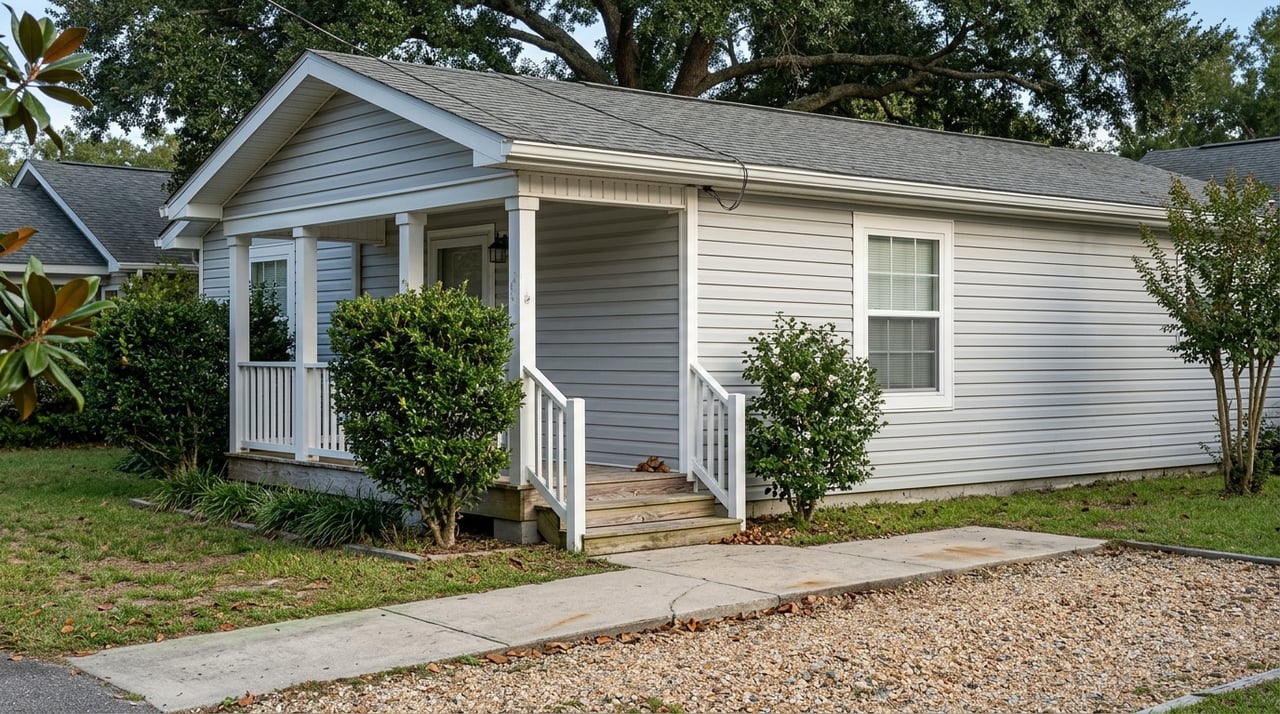
If you expect one uniform housing style near the lakefront, Mandeville will likely surprise you. The area is better understood as a layered historic environment with different home types built across multiple eras.
The city’s Historic Preservation District survey covered 1,520 parcels and documented a broad mix of 19th- and 20th-century residential styles. The oldest surviving buildings date to about 1830 to 1840 and reflect French Creole influence.
City design guidelines identify the Creole Cottage as a major local form. They also note later styles such as Queen Anne, Italianate, Craftsman, and Classical Revival, along with other early 20th-century patterns.
Historic character shows up block to block
City historic-house pages help show how that variety appears on the ground. Examples like the Jean Baptiste Lang House, Poitevent Homes, and Edwards-Hanisee-Khoury House reflect the older Creole layer along Lakeshore Drive and nearby streets.
Other sites show how the built environment evolved over time. Rest A While combines a Craftsman Cottage, a Creole Cottage, and the former Frapart House, while the Maestri House is described as a large country villa built as a summer retreat.
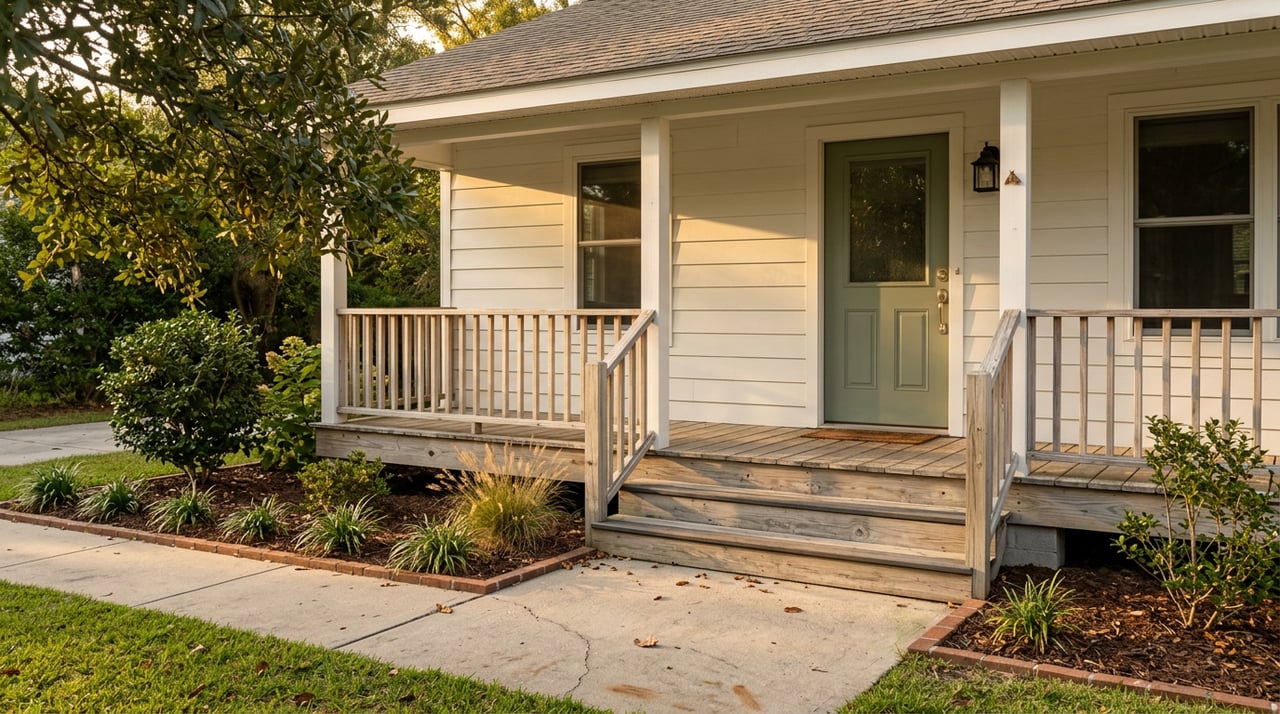
For a buyer, that often means homes near the lakefront can feel distinct from one another. You may see restored cottages, larger historic residences, and early-20th-century buildings instead of a predictable subdivision pattern.
What that means for your search
This architectural variety can shape your home search in practical ways. You may need to compare not only size and price, but also lot setup, age, layout, and how much original character you want.
If you are selling, this mix also matters. Homes in lakefront-adjacent areas often benefit from pricing and marketing that reflect their setting, style, and place within Mandeville’s broader historic identity rather than treating them like interchangeable inventory.
The overall pace is slower and communal
The best way to describe life near the Mandeville lakefront may be this: it feels shared. Public spaces, regular events, and short local outings all contribute to an everyday rhythm that is more communal than commercial.
City pages, trailhead information, and event calendars point to a routine built around strolling the lakefront, biking the Trace, shopping the market, and meeting neighbors at concerts and annual events. That rhythm gives the area a walkable, outing-oriented feel centered on water views and recurring local activity.
For some buyers, that is the main draw. For some sellers, that is the story that helps their property connect with the right audience.
Why local guidance matters here
Lakefront-adjacent Mandeville is appealing, but it is not one-note. The experience can vary depending on whether you want historic character, quick access to the Trailhead, a spot near Lakeshore Drive, or a home that supports a certain kind of daily routine.
That is where local market knowledge matters. When you understand how the lakefront, parks, trails, events, and historic housing stock work together, you can make better decisions about where to buy, how to price, and what features deserve the most attention.
If you are thinking about making a move in Mandeville, working with a team that knows how buyers experience these micro-locations can help you move forward with more clarity. For tailored guidance on buying, selling, or understanding home value near the lakefront, connect with Charlotte Johnson.
FAQs
What is the Mandeville lakefront like for everyday living?
- The Mandeville lakefront supports a low-key, community-centered routine built around walking, biking, public parks, local dining, markets, concerts, and seasonal events.
What kinds of homes are near the lakefront in Mandeville?
- Homes near the lakefront include a mix of restored cottages, larger historic homes, and early-20th-century buildings, with styles such as Creole Cottage, Craftsman, Queen Anne, Italianate, and Classical Revival.
What outdoor amenities are near the Mandeville lakefront?
- Outdoor amenities include the one-mile Mandeville Lakefront, the Mandeville Trailhead, the 31-mile Tammany Trace, and nearby Fontainebleau State Park with beach, hiking, paddling, camping, and wildlife viewing.
What events shape life near the Mandeville lakefront?
- Recurring events listed by the city include Light Up the Lake and Liberty on the Lake, Krewe Du Pooch, and Sunset Symphony on the Lakefront, while Festival of the Lake is another long-running seasonal event in Mandeville.
Is the Mandeville lakefront area mainly commercial or residential in feel?
- The area generally feels more communal and outing-oriented than heavily commercial, with public gathering spaces, historic streets, restaurants, trails, and regular civic events shaping the experience.