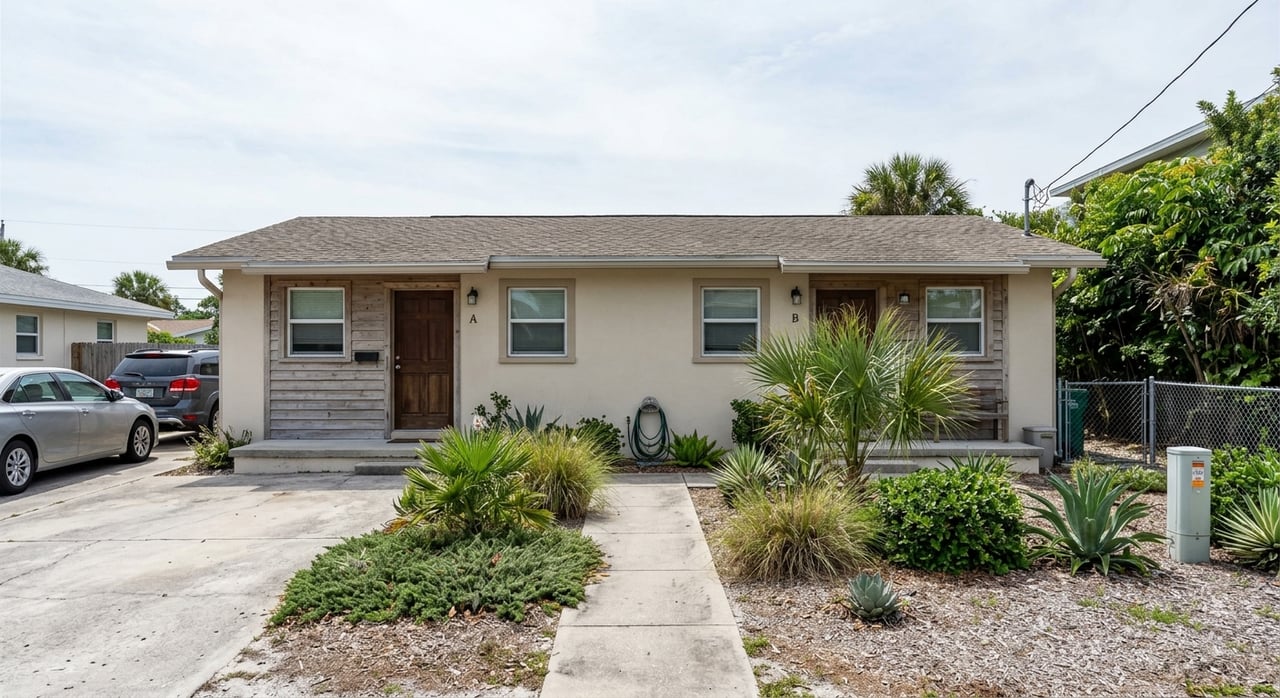
What if your first Gulf Coast home could help pay its own mortgage? If you are eyeing a duplex, triplex, or fourplex in Gulfport’s 39501, you want clear, local numbers and a plan for flood, wind, and operating costs. In this guide, you’ll learn who rents in 39501, how to estimate realistic rents, which loans fit 2–4 unit purchases, what coastal expenses to expect, and the exact due diligence to run before you write an offer. Let’s dive in.
Why 39501 appeals to investors
ZIP 39501 is a budget-friendly pocket of Gulfport with roughly 22,500 residents, median household income in the low $30,000s, and a median owner-occupied home value near $120,000. Data shows a higher renter share and measurable poverty rates, which shape rent levels and turnover. You can review these ZIP-level figures on Census Reporter for context on demand and pricing in this area. See the ZIP profile on Census Reporter’s 39501 page.
At the regional level, the Gulfport–Biloxi MSA shows average asking rent near $1,087, vacancy around 7.9 percent, single-digit rent growth, and limited new large-scale apartment construction as of late 2024. The same report notes average operating expenses of about $5,695 per unit for larger properties. Those metrics, summarized by The Kirkland Company, help frame expectations and cross-check your underwriting. Review the Gulfport–Biloxi multifamily market report.
Takeaway: 39501 can work well for entry-level investing and house-hacking. Rents and expense levels are the main levers that determine what a property can support under today’s lending rules.
Rents and vacancy basics
Average MSA rents do not tell the whole story for small, older buildings in 39501. Listings and Zillow’s observed-rent indices show a wide range, with older or smaller units often renting below the MSA average. Use live listings and recent leases to confirm what a duplex unit on your target block can achieve. For a quick pulse, you can scan Zillow’s Gulfport rent index page as a directional guide, then tighten with on-the-ground comps.
For conservative underwriting, HUD’s fair market rents offer bedroom-by-bedroom benchmarks for Harrison County. These are useful as a floor for pro formas or to sanity-check an appraiser’s market rent when using FHA. Review HUD fair market rents for Harrison County.
Quick rent-check workflow:
- Pull 3 to 5 recent, like-kind rentals within 39501 by bed/bath and vintage.
- Compare to HUD FMRs as a conservative floor.
- Cross-check against a regional index to ensure your figures align with directionally normal patterns.
- Underwrite at a cautious rent and leave room for concessions or vacancy.
Financing 2–4 units
FHA options for house-hackers
FHA permits owner-occupants to buy duplexes, triplexes, and fourplexes with low down payment, commonly 3.5 percent for qualifying borrowers. Lenders can count up to 75 percent of projected rental income from the other units, and 3–4 unit deals must pass a self-sufficiency test where the property’s effective rental income supports the mortgage payment. FHA also requires a specific appraisal process for 2–4 units. Learn the program basics and appraisal details in this FHA multi-unit overview.
Tips for smoother FHA underwriting:
- Order the Small Residential Income Property appraisal (Form 1025) early so the appraiser’s market rent does not surprise you.
- Talk with your lender up front about credit, reserves, and any overlays that could affect approval.
- Document your intent to occupy per program rules.
VA loans for eligible buyers
If you are eligible for a VA loan and plan to live in one unit, VA financing also works for 1–4 unit properties. VA loans have no monthly PMI, though a funding fee may apply. Confirm specifics with a VA-experienced lender. See an overview of VA fixed-rate loans for multi-unit purchases.
Conventional and conforming limits
Conventional loans can fit 2–4 unit purchases, but down payments and underwriting rules are typically tighter than FHA for multi-unit properties. The Federal Housing Finance Agency sets annual conforming loan limits that influence pricing and eligibility. The baseline conforming limit rose to $832,750 for 2026, though county limits can vary. Check the latest figures on the FHFA loan limit announcement.
Investor loans if you will not occupy
If you will not live in a unit, look at bank or credit-union portfolio loans, DSCR/non-QM products, or small-balance commercial options. Expect higher rates and down payments and specific rent documentation. Compare options early so your offer aligns with real financing.
Budgeting coastal operating costs
Typical expense lines
Budget for these items in every 2–4 unit pro forma:
- Property taxes (assessed value multiplied by local millage).
- Hazard or landlord insurance plus separate wind or hurricane coverage in coastal counties.
- Flood insurance if the parcel sits in a Special Flood Hazard Area.
- Utilities you pay as the owner, routine maintenance, turnover costs, capital expenditures, leasing and management fees, legal and eviction costs, and a reserve for vacancies.
Local cost drivers to watch
- Use a local benchmark to cross-check expenses. A recent market report cites average expenses near $5,695 per unit for larger Gulfport–Biloxi properties. Small 2–4 unit buildings often run a higher per-unit ratio because fixed costs spread across fewer units. See the Gulfport–Biloxi market expense benchmark.
- Property management is commonly about 8 to 12 percent of collected rent, plus leasing and other fees. Clarify scope and markups before you sign a contract. Review typical line items in this property management fee guide.
- Wind coverage is a major variable. Some coastal properties rely on the Mississippi Windstorm Underwriting Association when private carriers limit coverage. Deductibles for wind and named storms can be high, which affects cash flow and lender approval. Background on the state windpool appears in this GAO report on coastal insurance.
- Flood risk matters. Lenders usually require coverage for structures in FEMA Special Flood Hazard Areas. Confirm the parcel’s flood zone and Base Flood Elevation and whether an Elevation Certificate will improve pricing. See FEMA’s guidance in the Federal Register on NFIP mapping.
- Mississippi assessment classes change your tax math. Mississippi assesses owner-occupied residential property at 10 percent of true value and most other real property, including rentals, at 15 percent. Always confirm parcel specifics with the county. See the Mississippi property tax assessment overview.
Underwriting guardrails for small multifamily
- Vacancy: Use 5 to 10 percent for small Gulfport properties unless your micro-location shows tighter demand.
- Expenses: Cross-check a per-unit benchmark against your pro forma and expect a higher expense ratio for 2–4 units than for large apartments. Reference the ~$5.7k per-unit figure and adjust with real quotes. See the regional expense benchmark.
- Capex: Build a capital reserve for roofs, HVAC, and coastal resiliency. A common rule of thumb is $250 to $400 per unit per year for older stock, adjusted to actual ages and contractor estimates.
Due diligence checklist
Property and physical
- Confirm FEMA flood zone and request an Elevation Certificate if the property is in AE or VE zones. Get insurance pre-qualification for wind and flood before you offer. See the NFIP mapping reference.
- Order a full inspection: roof, foundation, electrical, plumbing, HVAC, moisture, and pests.
- Verify unit separations, egress, kitchens, baths, and utilities for each unit. These are also important for FHA and VA appraisals. See appraisal notes in this FHA multi-unit guide.
Legal and lease diligence
- Collect the current rent roll, copies of all leases, deposits, rent receipts, and any eviction history.
- Run title and zoning checks, including overlay zones that may apply to coastal parcels.
- If you plan to operate any unit as a short-term rental, confirm local rules before you buy.
Costs and insurance
- Pull historical tax bills and the current millage schedule for the parcel from Harrison County.
- Obtain actual insurance quotes, including wind and flood, and model named-storm deductibles in your monthly budget.
- Get owner-paid utility histories to refine your effective gross income. Use this Harrison County property records resource.
Financing and appraisal
- Align early with your lender on program type, down payment, reserves, and any overlays.
- For FHA, confirm the self-sufficiency test for 3–4 unit properties and order Form 1025 promptly. Review the FHA appraisal and income rules.
Operations
- Decide on self-management or third-party management and get written proposals with fee schedules and response SLAs.
- Gather contractor bids for near-term repairs and long-term capital items so your capex reserve is realistic.
House-hacking playbook
- Get pre-approved with a lender that regularly closes 2–4 unit loans in coastal markets and understands FHA, VA, and conventional options.
- Establish a conservative rent set using HUD FMRs and local comps, then stress-test vacancy and expenses.
- Request wind and flood quotes on the front end so your numbers reflect real premiums and deductibles.
- Write offers with inspection and insurance contingencies, and plan appraisal timing carefully for 2–4 unit forms.
- Prepare for move-in: utility setups, timing, and a light value-add plan that raises rentability without overcapitalizing.
Build your local team
Your best outcomes come from a local bench that has closed coastal deals and understands storm season realities. A strong team often includes:
- A multifamily-focused agent or broker who knows 2–4 unit comps and micro-neighborhood dynamics.
- A lender experienced with FHA multi-unit or DSCR/portfolio products.
- An insurance broker who places coastal wind and flood policies routinely.
- A CPA familiar with rental depreciation and, if relevant, 1031 exchanges.
- A property manager with coastal portfolios, transparent reporting, and reliable maintenance vendors.
- A licensed contractor for scope, pricing, and mitigation upgrades.
- A real estate attorney for lease reviews, title exceptions, and local procedures.
Storm patterns and coverage options shift, and contractor availability can tighten after weather events. That is why local knowledge matters. For context on regional weather impacts, see Mississippi’s weather events resource.
Ready to start?
If you are exploring a duplex, triplex, or fourplex in Gulfport’s 39501, we can help you validate rents, line up financing options, and pressure-test insurance and operating costs before you write an offer. Reach out to Charlotte Johnson for a people-first, data-backed path to your next step on the Gulf Coast.
FAQs
Can I use FHA to buy a duplex in 39501?
- Yes, if you will occupy one unit as your primary residence. FHA allows low down payments and lets lenders count up to 75 percent of projected rent. For triplexes and fourplexes, the property must meet the self-sufficiency test. See this FHA 2–4 unit overview.
What rents should I underwrite for 39501 duplexes?
- Start with HUD fair market rents as a conservative floor, then tighten with nearby duplex comps and current listings. You can cross-check directionally with HUD FMRs for Harrison County and Zillow’s Gulfport rent index.
How much are property management fees in Gulfport?
- Many residential portfolios run about 8 to 12 percent of collected rent, plus leasing and pass-through fees. Confirm scope, markups, and service levels in writing. For a breakdown of common charges, see this property management fee guide.
How large a loan can I get for a 2–4 unit property?
- It depends on program and local limits. The FHFA baseline conforming limit is $832,750 for 2026, but your qualifying income, rents, and program rules (like FHA’s self-sufficiency test on 3–4 units) will drive the final number. See the FHFA loan limit update and FHA program overview.
How will wind and flood insurance affect my returns?
- Coastal wind and flood coverage can be a large expense, and some properties rely on the state windpool. Model real quotes and named-storm deductibles into your monthly numbers. For background, see the GAO review of coastal insurance and FEMA’s NFIP mapping guidance.
Do Mississippi property taxes change if I live in one unit?
- Mississippi assesses owner-occupied residential property at 10 percent of true value and most other real property, including rentals, at 15 percent. How a mixed-use owner-occupied duplex is classified can vary, so confirm your parcel’s status with Harrison County. See the Mississippi assessment overview.