If you picture Gulfport as just a beach stop, you are missing what everyday life here really feels like. This is a coastal city where the waterfront shapes your routine, downtown gives you easy places to gather, and getting around is more practical than many buyers expect. If you are thinking about living here full-time, buying a second home, or simply learning the area, this guide will help you understand what daily life in Gulfport can actually look like. Let’s dive in.
Gulfport Feels Like a Working Coastal City
One of the first things to understand about Gulfport is that it is not built around a single resort-style beachfront strip. Daily life is tied to the Mississippi Sound, the harbor, downtown, and a wider network of parks and public spaces.
Visit Mississippi describes Gulfport Beach as a relaxed stretch along the coast, while Jones Park adds a major public waterfront hub with a 319-slip marina, promenade walk, splash pad, playground area, amphitheater stage, walking track, and harbor amenities. That mix gives Gulfport a more lived-in coastal feel, not just a vacation backdrop.
The city also includes fishing piers, municipal boat ramps, jetties, and more than 600 acres of parks and recreation areas. For you, that can mean your weekends and evenings are not limited to one beach access point. There are multiple ways to enjoy the water, whether you want a walk, a fishing trip, or time outside with family and friends.
Waterfront Life Is Part of the Routine
In Gulfport, boating is part of the local rhythm. The harbor is not tucked away from daily life, and Gulfport Small Craft Harbor area operators listed by Coastal Mississippi offer sailing trips, fishing excursions, sunset cruises, offshore outings, and barrier-island experiences.
That matters because it reflects how people use the coast here. The shoreline supports recreation, but it also supports working harbor activity. Since Jones Park sits next to the Mississippi State Port, the waterfront has a practical, active character that many buyers find appealing.
The Aquarium Adds Year-Round Activity
Another major part of the waterfront is the Mississippi Aquarium on East Beach Boulevard. With indoor and outdoor exhibits, more than 200 animal species, and seasonal programming, it brings year-round energy to the area.
For residents, that means the waterfront is not only busy during peak beach months. There is a steady anchor near downtown and Jones Park that helps keep the area active across seasons.
Downtown Gulfport Is Easy to Enjoy
Gulfport’s social side is concentrated in places that are easy to reach. Instead of having entertainment spread too far apart, the city has a downtown and waterfront cluster that makes it simpler to meet friends, grab dinner, or enjoy a local event.
Fishbone Alley is a good example. Visit Mississippi places it in the downtown core and highlights its mix of restaurants, bars, local art, and cultural attractions. That gives downtown Gulfport a walkable, casual energy that fits both everyday outings and weekend plans.
Dining Has Both Casual and Upscale Options
The downtown and waterfront area gives you a range of choices without needing to go far. Visit Mississippi notes nearby spots like Murky Waters BBQ for barbecue, craft beer, and live music, Siren Social Club for a more elevated downtown dining experience, Chimney’s for coastal cuisine and seafood on East Beach Boulevard, and Shaggy’s Gulfport Beach for a relaxed waterfront setting.
That variety helps make the area practical for daily living, not just occasional visits. You can keep things casual, plan a night out, or meet visiting friends near the water without leaving the core of the city.
Events Keep the City Active
Gulfport also stays engaged through recurring events and seasonal programming. Coastal Mississippi’s event listings include the Gulfport Harbor Lights Winter Festival at Jones Park, along with recurring events such as Depot District at Dusk and the Gulfport Harbor Farmers Market.
The coastwide Cruisin’ the Coast festival also includes Gulfport among its host cities. Altogether, those events support the idea that Gulfport stays socially active beyond summer and beyond beach days.
Getting Around Gulfport Is More Convenient Than Many Expect
For a coastal city, Gulfport offers solid regional connections. That can matter if you travel often, commute within the region, or want a home base that feels coastal without feeling cut off.
The Gulfport-Biloxi International Airport says it is the second largest airport in Mississippi and serves nearly 800,000 travelers each year. Its published routes include year-round direct flights to Atlanta, Charlotte, Dallas/Fort Worth, and Houston, plus seasonal nonstop service to Minneapolis-St. Paul and Orlando.
Rail and Transit Add Flexibility
Gulfport also has passenger rail service. Amtrak’s Gulfport station on 27th Avenue is part of the Mardi Gras Service and highlights access to local attractions like Gulfport Harbor and Jones Park, Gulfport Beach, and Fishbone Alley.
For local trips, Coast Transit Authority operates a Gulfport Transit Center, and its seasonal Tram Trolley connects the transit center area with Jones Park and the Mississippi Aquarium corridor every 15 minutes during operation. If you prefer not to drive every time you head downtown or toward the waterfront, that can be a useful option.
Road Connections Support Daily Life
By car, movement through Gulfport centers on major roads that support both local errands and longer regional trips. According to the city’s RAISE transportation report, I-10 and U.S. 90 are the main east-west routes, while U.S. 49 and Highway 605 serve as major north-south corridors.
The same report notes that the Dedeaux Road corridor north of I-10 is primarily residential with some lower business-tier zoning and links residents to shopping, health care, and employment areas. For buyers comparing different parts of Gulfport, that helps explain why some areas feel more coastal and central while others feel more suburban and routine-oriented.
Homes in Gulfport Vary by Area
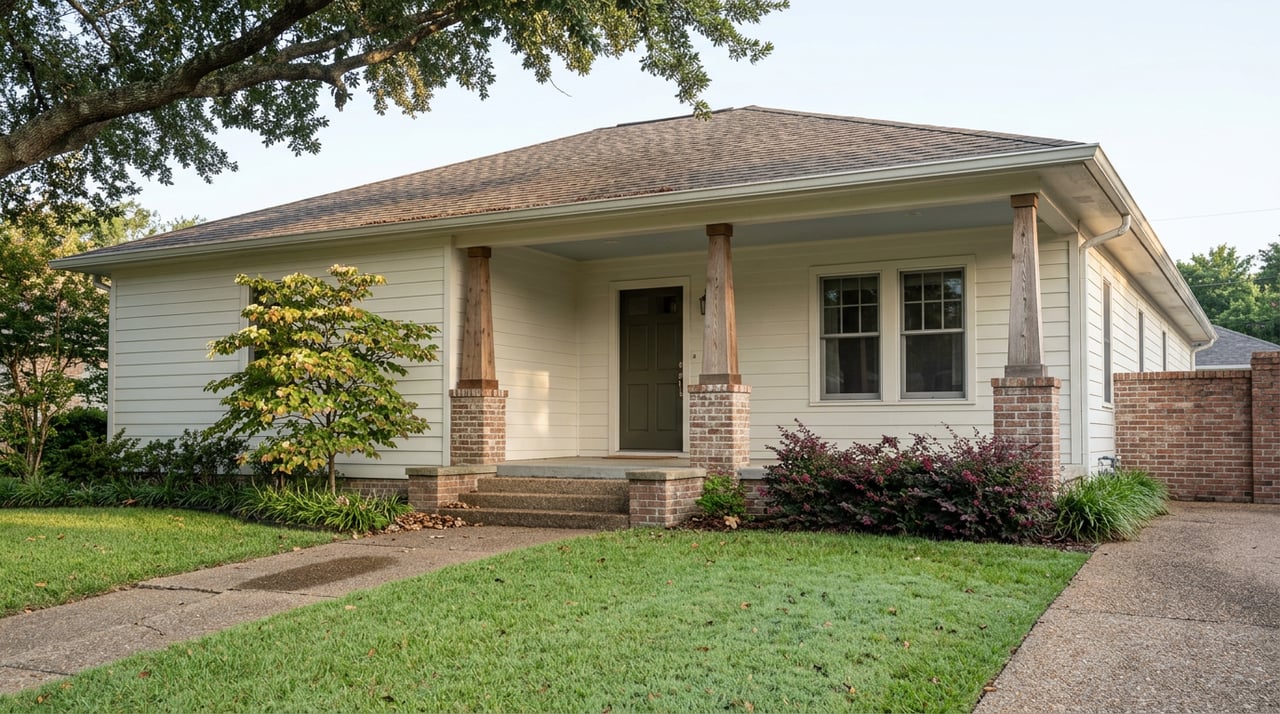
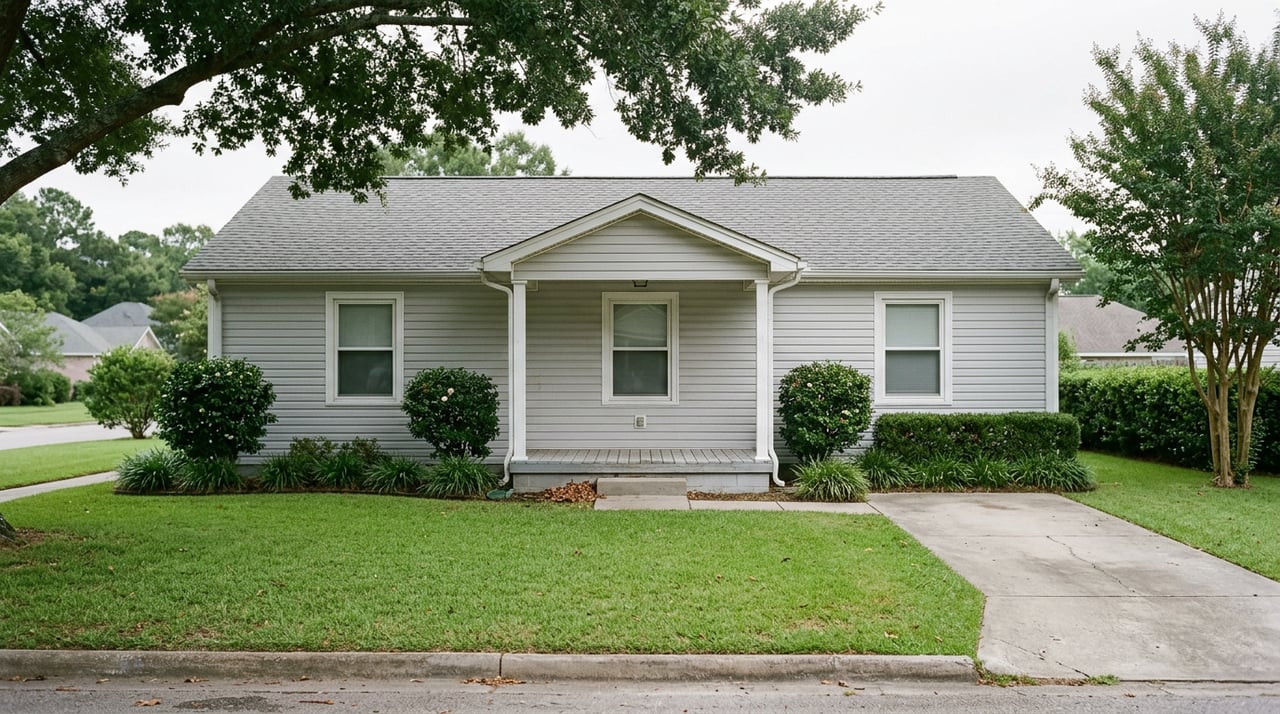
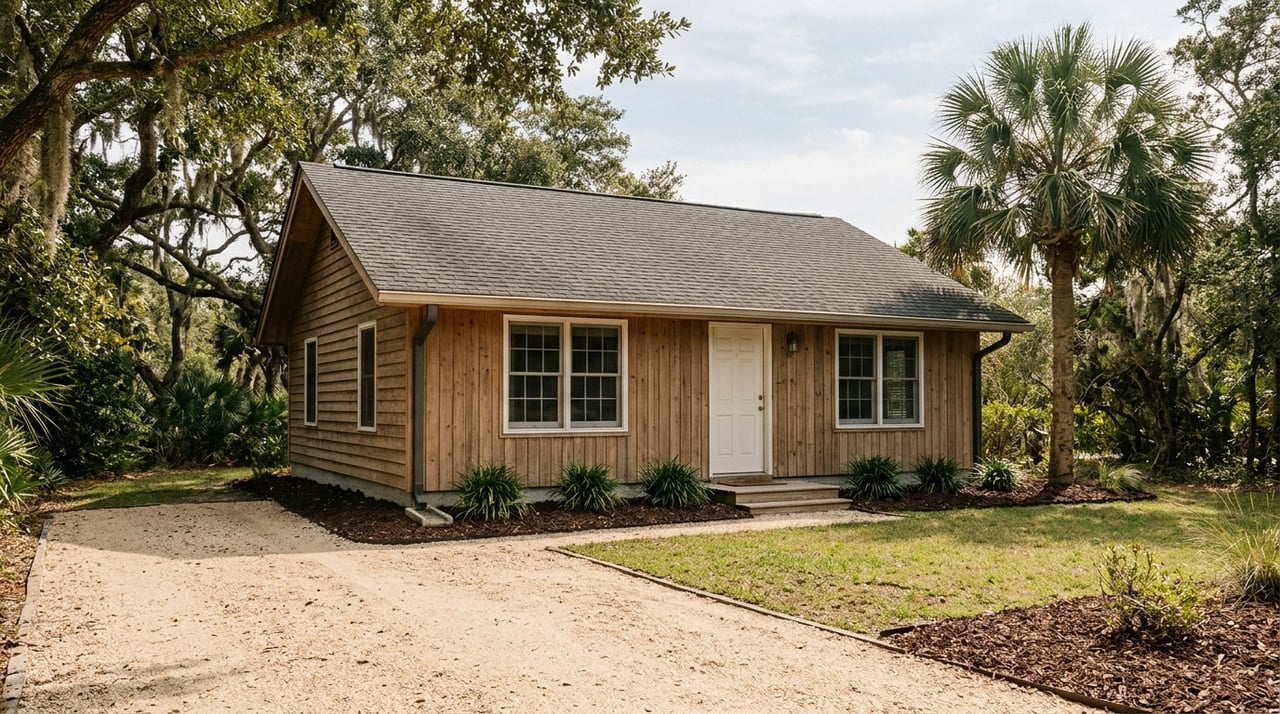
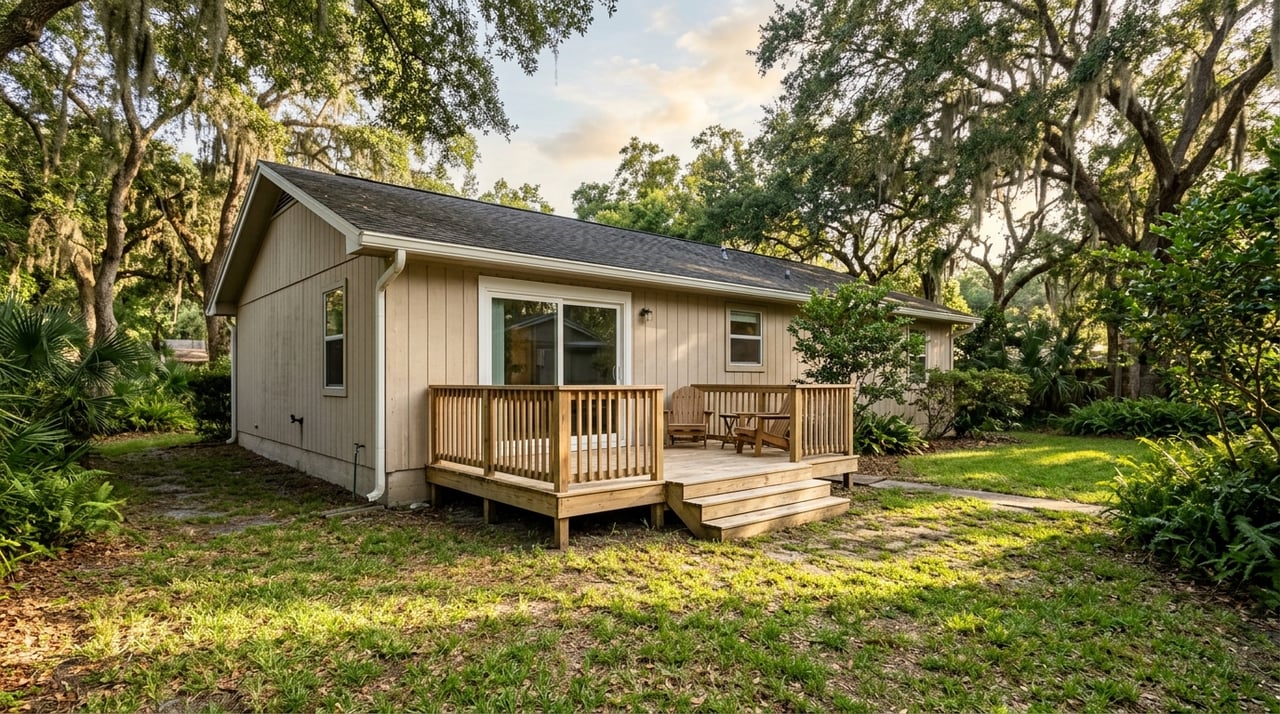
If you are home shopping in Gulfport, it helps to know that the housing stock is not one-note. The city includes a broad mix of residential patterns, and the feel can shift depending on how close you are to the beach, downtown, or inland corridors.
Gulfport’s zoning map resources show single-family low-density districts, medium-density and high-density residential districts, residence-office and residence-business designations, estate and urban estate categories, plus urban core, sand beach, and waterfront designations. The city also has a townhome subdivision application process, which points to attached housing as part of the local mix.
Near the Beach and Downtown
Closer to the waterfront, the housing pattern is more layered. Based on the city’s zoning categories and planning documents, this area may include older coastal homes, smaller-lot infill development, townhomes, and some higher-density or mixed-use buildings near the aquarium, Fishbone Alley, and Jones Park.
The city’s own historical materials support that difference. A City of Gulfport employee handbook notes historic home sites along Beach Drive, while describing downtown as a strong commercial center.
Inland Areas Feel More Suburban
Farther inland and north of I-10, the feel tends to be more suburban and more centered on single-family housing patterns. That can appeal to buyers who want easier access to residential corridors, shopping, and everyday services while still being connected to the coast.
Gulfport’s housing documents also reference a range of housing types across the city, including assisted and multi-family developments such as Baywood Place, Regency Way, Sanderson Village, and North Park Estates. The bigger takeaway is simple: Gulfport offers more housing variety than many buyers expect.
What Everyday Living in Gulfport Often Looks Like
For many people, Gulfport works because it blends coastal scenery with practical daily routines. You can enjoy the beach and harbor, spend time downtown, and still have access to major roadways, airport service, public amenities, and a broad range of housing types.
That balance is what makes the city stand out. Gulfport offers a coastal setting, but it also functions like a real working city with recreation, transportation links, recurring events, and neighborhoods that serve different lifestyles and goals.
Whether you are looking for a primary home, a second property, or an investment opportunity along the Gulf Coast, understanding how a city lives day to day is just as important as seeing its listing photos. If you are ready to explore Gulfport with a local team that values clear guidance and a people-first approach, connect with Charlotte Johnson.
FAQs
What is everyday life like in Gulfport, Mississippi?
- Everyday life in Gulfport centers on the waterfront, downtown dining and events, public parks, and practical access to major roads, transit, rail, and airport service.
Is Gulfport more of a beach town or a working city?
- Gulfport is best understood as a working waterfront coastal city, with beach access, harbor activity, downtown entertainment, and port-related functions all shaping daily life.
What are some popular waterfront places in Gulfport?
- Key waterfront destinations include Gulfport Beach, Jones Park, Gulfport Small Craft Harbor, and the Mississippi Aquarium corridor on East Beach Boulevard.
How do you get around Gulfport, Mississippi?
- Gulfport is connected by I-10, U.S. 90, U.S. 49, and Highway 605, and it also offers airport access, Amtrak service, Coast Transit Authority service, and a seasonal Tram Trolley near the waterfront core.
What types of homes can you find in Gulfport?
- Gulfport includes a mix of housing types, including single-family homes, townhomes, higher-density residential options, mixed-use areas near downtown, and more suburban-style inland neighborhoods.