Termites are a quiet, costly problem in Baton Rouge. If you have heard about Formosan termites or seen swarms in spring, you are not alone. Many local homes sit in a high‑risk zone where prevention and early detection matter. In this guide, you will learn a simple, Baton Rouge‑smart plan to protect your home, what treatment options really mean, and how to handle termite questions in a purchase or sale. Let’s dive in.
Why termite risk is high in Baton Rouge
Baton Rouge has both native subterranean termites and the invasive Formosan subterranean termite, which LSU AgCenter calls one of the most destructive insects in Louisiana. Local monitoring shows swarms typically peak from April to July, with many flights in May and June. LSU AgCenter explains the species present, their swarming habits, and why prevention is essential.
Formosan colonies can be large and forage widely, which raises the area‑wide risk for neighborhoods across the parish. Historic estimates show heavy economic losses in southern Louisiana where Formosan termites are established. USDA researchers highlight the scale of damage and the threat to urban areas in the Gulf South.
Your termite prevention plan
Step 1: Inspect and monitor yearly
Schedule a licensed termite inspection annually, and after major storms, flooding, or renovations. Early detection helps catch mud tubes, damaged wood, and discarded wings before repairs get expensive. LSU AgCenter’s homeowner guidance puts inspection at the center of prevention.
Between professional visits, do quick checks around the foundation, crawlspace, and attic. Look for wood that sounds hollow, bubbling paint, sticky doors, or piles of wings during swarm season.
Step 2: Control moisture and drainage
Subterranean termites need moisture. Fix roof, gutter, and plumbing leaks quickly. Keep gutters clear and direct downspouts away from the foundation. Grade soil so water flows away from the house, and maintain a dry, well‑ventilated crawlspace. LSU’s local guidance underscores moisture control as a core defense.
Step 3: Eliminate wood‑to‑soil contact and tidy landscaping
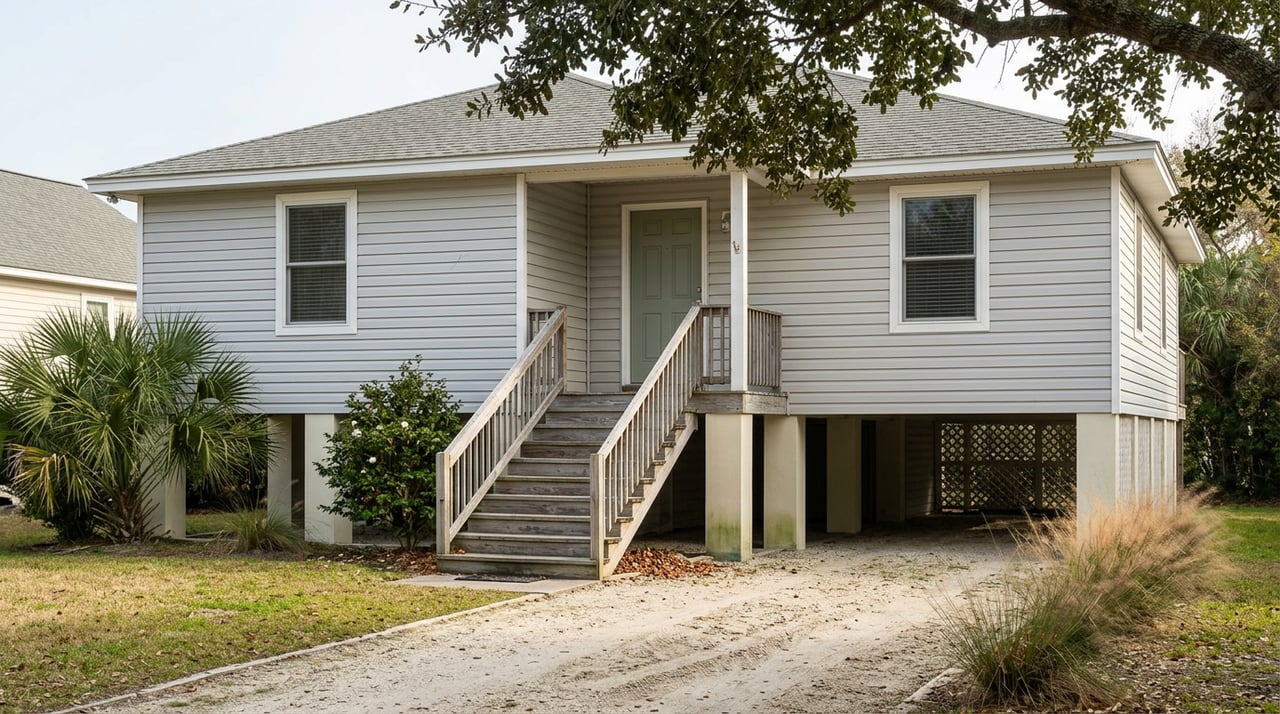
Avoid direct soil contact with siding, steps, lattice, and other wood features. Keep at least a few inches of visible slab or clearance at the base of exterior walls. Pull mulch back several inches from the foundation and never pile organic debris against the house. Store firewood and lumber off the ground and at least 20 feet from the structure. The EPA’s termite guide covers identification and smart prevention steps, including firewood storage.
If trees are close to the house, include them in your inspection routine. Formosan termites can infest living trees, which can serve as nearby sources of foragers. US Forest Service research reviews this behavior and why it matters near structures.
Step 4: Plan ahead for renovations and new builds
If you are building or doing major work, include termite protection in the scope. Request soil pre‑treatment under slabs or approved physical barriers during construction, and use pressure‑treated or borate‑treated wood where recommended. LSU AgCenter details Louisiana‑specific prevention during construction and why clearances and barrier treatments matter.
Step 5: Choose a protection method
Two professional approaches are common in Baton Rouge. Many homes use one or both methods, depending on risk and construction type.
- Liquid soil treatments. A licensed pro applies a non‑repellent termiticide to soil around the foundation to create a treated zone. This option can provide relatively fast control and multi‑year residual protection when installed correctly. The EPA explains how liquid barriers work and why professional application matters.
- Baiting systems. In‑ground stations placed around the home are monitored and baited when activity appears. Baits use less total insecticide and provide ongoing monitoring, though they usually act more slowly and require continued service to remain effective. The EPA also recognizes baits as an approved approach with different tradeoffs.
Because Formosan colonies can be large, some Baton Rouge homes use a combined strategy to establish immediate protection and long‑term monitoring. Your home’s foundation type, moisture conditions, and infestation history will help guide the choice.
Service contracts and warranties
“Termite bonds” or service agreements usually include annual inspections and varying warranty terms. With liquid barriers, residual termiticide remains in the soil for years, even if you later cancel a contract. Bait systems require ongoing monitoring to work, so protection lapses if service stops. Read the fine print on retreatment triggers, coverage limits, and whether damage repair is included. Extension guidance from Mississippi State compares these differences and what to expect.
A quick Baton Rouge checklist
- Immediate actions
- Book a licensed inspection if you see wings indoors, after a big storm, or when you move in.
- Reduce outdoor lighting during swarm season, and vacuum indoor swarmers and wings if they appear.
- Pull mulch back from the foundation and remove wood debris from the perimeter.
- Near‑term fixes
- Repair leaks, clear gutters, and extend downspouts several feet away from the house.
- Improve grading so water flows away from the foundation.
- Dry out crawlspaces with ventilation, a vapor barrier, or a dehumidifier if needed.
- Structural improvements
- During renovations or new builds, require soil pre‑treatment or physical barriers before pouring slabs or setting piers.
- Use pressure‑treated or borate‑treated wood as specified, and keep insulation foam above slab top.
- Professional protection
- For higher‑risk homes, consider a liquid barrier or a combined liquid plus bait plan with regular monitoring and a clear service contract.
What to ask your inspector or contractor
- Are you licensed for termite control in Louisiana, and what training do you maintain?
- Which method are you recommending for my foundation type, and why?
- What are the active ingredients and expected lifespan of the treatment?
- How will landscaping or future digging affect the treated zone or bait layout?
- What does the warranty include, and what triggers retreatment?
- How often will you inspect or monitor, and what reports will I receive?
Termites and your real estate decision
If you are selling, Louisiana’s Residential Property Disclosure Act requires you to disclose known defects, including known termite damage or infestation, to the best of your knowledge. A Louisiana case summary explains how disclosure works in practice. Learn more about disclosure obligations.
If you are buying, most local purchase agreements require a current WDI or termite report within a set window before closing. Use it to negotiate treatment, repairs, or credits if needed. A Louisiana appellate case discusses how WDI certificates are handled in contracts.
Standard homeowners insurance usually excludes termite damage because it is considered a maintenance issue. Plan for prevention and appropriate service contracts rather than relying on insurance. The Insurance Information Institute outlines this common exclusion.
Ready to protect your next move in Baton Rouge? Whether you are buying, selling, or planning improvements, our team can help you navigate inspections, contract terms, and smart prevention steps so your investment stays sound. Reach out to Charlotte Johnson for clear guidance and a plan that fits your goals.
FAQs
Do termite swarms in Baton Rouge mean my home is infested?
- Not always. Swarms show nearby colonies are active, but indoor swarms or wings should prompt a professional inspection to check for entry points and damage.
Which is better for Baton Rouge, bait stations or a liquid barrier?
- Both work when installed correctly. Barriers often provide faster, multi‑year protection, while baits use less insecticide and offer monitoring but require ongoing service.
Are termite repairs covered by homeowners insurance in Louisiana?
- Usually no. Most policies exclude termite damage as a maintenance issue, so prevention and service agreements are your best defense.
What should a Baton Rouge purchase agreement include regarding termites?
- A current WDI or termite report before closing and clear terms about who pays for treatment or repairs if activity or structural damage is found.
How often should I schedule termite inspections?
- Once a year is a good baseline in Baton Rouge, plus after major storms, flooding, or renovations, and any time you see wings, mud tubes, or suspicious damage.