Thinking about building your dream coastal home or buying a move-in-ready cottage in Bay St. Louis? You are not alone. With the charm of Old Town, the draw of the beach, and a strong second-home market, the new vs resale choice matters here more than most places. In this guide, you will learn how Bay St. Louis’s coastal setting affects cost, insurance, timelines, code compliance, and long-term value, so you can make a confident decision. Let’s dive in.
Why this choice matters in Bay St. Louis
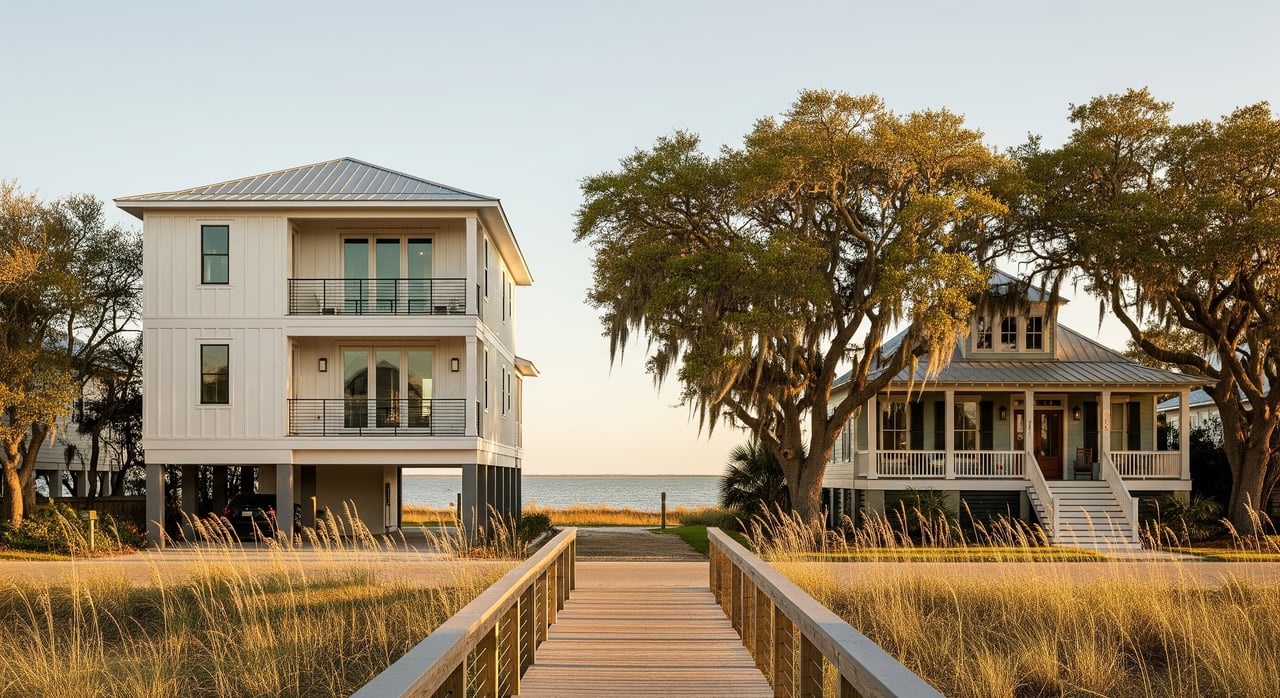
Bay St. Louis sits on the Mississippi Gulf Coast, where storms and flooding shaped how homes are built and insured. Many properties sit in mapped flood zones, and base flood elevations influence design and insurance pricing. You will see elevated homes on pilings, wind-rated windows, and reinforced framing that reflect modern coastal standards.
The city also has a beloved historic core in Old Town. If you love historic character, resale homes in these areas may appeal to you, but exterior changes can be subject to local design guidelines. Newer subdivisions outside the historic core offer more uniform designs and modern systems, often with higher elevation and stricter code compliance.
Utilities can differ by neighborhood. Some areas connect to municipal sewer and water, while others use septic or private wells. That matters for both inspection needs and long-term maintenance planning.
Cost and financing
Purchase price and site costs
- New construction often commands a higher price per square foot because of coastal features like elevated foundations, hurricane-resilient roofing, and impact-rated doors and windows. Site prep, pilings, and elevation work can push budgets higher, especially near the water.
- Resale can offer a lower entry price, but you should plan for possible upgrades to roofing, windows, HVAC, or electrical, especially in older homes. Factor in any flood mitigation or elevation improvements you may want in the future.
Financing basics
- New construction financing may include a construction loan that funds draws during the build and converts to a long-term mortgage upon completion. Lenders often require builder approval, inspections, and a clear schedule of draws.
- Resale financing usually follows a shorter path with conventional, FHA, VA, or USDA options. Appraisal, inspection periods, and repair negotiations are standard.
Transactional fees to expect
- New construction may reduce near-term repair costs but can include impact fees, HOA initiation fees, or infrastructure assessments. Clarify what is included in the base price and what counts as an upgrade.
- Resale may involve repair credits or seller concessions. You might allocate budget for near-term maintenance if inspections reveal priority items.
Insurance and flood risk
Flood zones and elevation certificates
Flood insurance costs depend heavily on flood zone and property elevation. An elevation certificate is critical for underwriting and for pricing through the National Flood Insurance Program. New elevated homes often achieve better rates if they are above base flood elevation. For a resale, ask the seller if an elevation certificate already exists.
Wind and hurricane coverage
Wind and hail coverage can be a significant part of your policy on the coast. Newer homes with wind-rated construction and fortified roofing can help with underwriting and may improve premium competitiveness. Always compare sample quotes for both new and resale options.
Operating costs and efficiency
New homes often include energy-efficient systems and insulation that can lower utility bills. Older homes may need upgrades to reach the same level of efficiency. Balance insurance, utilities, and maintenance when you compare total cost of ownership, not just the purchase price.
Timeline and process
New build timeline
Building new can take months to over a year. Coastal site work for pilings or elevation, permitting, and weather can extend timelines. Allow room for supply chain challenges or custom selections that require longer lead times. Ask for a detailed schedule and clear remedies for delays in your contract.
Resale timeline
Buying a resale home usually moves faster. Typical steps include inspection, appraisal, and final loan approval. You can often close within weeks if both sides work through repairs and contingencies smoothly.
Inspections you still need
- New construction: Order independent inspections at key stages, such as pre-drywall and final. Complete a careful walk-through and punch list before closing.
- Resale: Schedule a comprehensive home inspection, plus specialty checks such as pest/termite, roof, septic, and mold as needed.
Design, customization, and code compliance
New construction highlights
- Customization: You can select finishes, floor plans, and features that fit your lifestyle.
- Modern codes: Post-storm updates to building codes help drive wind, flood, and energy performance.
- Warranties: Builders often provide workmanship and structural warranties. Review coverage and transfer rules in writing.
Possible tradeoffs include less mature landscaping and a more uniform neighborhood look. Builder quality and communication vary, so vet references and past projects.
Resale highlights
- Character and location: Older homes can offer mature trees, established neighborhoods, and unique architecture, especially near Old Town.
- Immediate occupancy: You can move in sooner and improve over time.
Potential tradeoffs include deferred maintenance, older mechanical systems, and code updates that may be required if you renovate. Confirm permits for prior work.
Maintenance, warranties, and resale value
- Warranties: New homes often include limited builder warranties. Get start dates, coverage limits, and claim procedures in writing.
- Maintenance: Resale properties may need early investments in roofing, plumbing, or electrical. In coastal environments, keep an eye on termite protection and moisture control.
- Resale value: In Bay St. Louis, elevation, construction quality, and proximity to the waterfront influence future marketability. Storm-resilient features can help attract coastal buyers down the road.
Quick comparison checklist
For any property
- Confirm FEMA flood zone and obtain or request an elevation certificate.
- Get sample flood and wind insurance quotes early.
- Verify utilities, including sewer vs septic and well vs municipal water.
- Review property disclosures and check for any local liens or assessments.
- Confirm whether the property sits in a historic district and learn any design rules.
Additional for new construction
- Verify the builder’s license and ask for references. Visit a completed project if possible.
- Request a detailed schedule, included features, and upgrade pricing.
- Obtain the builder’s warranty documents and coverage terms.
- Plan for independent inspections at pre-drywall and final stages.
- Ensure you will receive an elevation certificate and coastal compliance documents.
Additional for resale
- Order a full home inspection and pest/termite inspection, plus septic and roof evaluations if applicable.
- Request records of past flood or storm damage and any insurance claims.
- Review maintenance records, permits for renovations, and ages of major systems and appliances.
Documents to request
- From a builder: itemized specifications, construction contract, warranty, certificate of occupancy and permit records, elevation certificate, engineered foundation plans, and any wind or structural engineering reports.
- From a seller: complete property disclosures, past inspection reports, repair invoices, permit records, title report, and HOA covenants and financials if applicable.
Red flags to watch
- No elevation certificate, or missing details on past flood or insurance claims.
- Lots with unusual foundation needs without clear engineering documentation.
- Builders who will not provide references, license details, or warranty terms.
- Resales with undocumented storm repairs or missing permits for renovations.
- Parcels in restricted coastal or environmental areas where rebuild options are limited.
Local resources and next steps
When you are ready to compare properties, plan to contact:
- City of Bay St. Louis Planning and Building Department for permits, codes, occupancy certificates, and historic district rules.
- Hancock County Permit and Planning and the Tax Assessor for permits, septic and well records, and property tax info.
- FEMA Flood Map Service Center or your local floodplain manager for flood zone maps and base flood elevations.
- Mississippi Emergency Management Agency and the Mississippi Department of Insurance for statewide preparedness and insurance guidance.
- Local lenders who offer construction-to-permanent products for new builds.
- Insurance agents who specialize in coastal properties for comparative quotes.
Which path is right for you?
Choose new construction if you want tailored design, modern code compliance, and potential insurance and efficiency advantages, and you have a longer timeline and a clear budget for coastal construction. Choose resale if you value character, established neighborhoods, mature landscaping, and a faster closing, and you are comfortable planning for maintenance or upgrades.
If you want a calm, informed process from first showing to closing, our team is here to help you weigh total cost of ownership and navigate Bay St. Louis’s coastal requirements. Connect with Charlotte Johnson for local guidance, property tours, and a clear plan to move forward. Get Your Free Home Valuation.
FAQs
Which costs more overall in Bay St. Louis?
- New construction usually costs more per square foot because of coastal building standards and upgrades, while resale can be cheaper upfront but may need renovation and maintenance.
Will flood insurance be cheaper for an elevated new home?
- Often yes, if the finished elevation is above base flood elevation, but actual pricing depends on the elevation certificate and the property’s flood map designation.
How long does new construction take in Bay St. Louis?
- It can range from months to over a year, depending on site work for elevation or pilings, permitting, weather, and builder backlog; always request a written schedule.
Do I still need inspections on a new build?
- Yes, schedule independent inspections at key stages and complete a detailed punch list before closing to address issues while the builder is on site.
Are there buyer incentives or programs for the Gulf Coast?
- Programs change over time, so check with local and state agencies for current grants, disaster recovery options, or first-time buyer programs.
What should I know about short-term rentals in Bay St. Louis?
- Rules vary by city, county, and HOA; confirm local ordinances, registration requirements, and neighborhood restrictions before you buy a home you plan to rent short term.