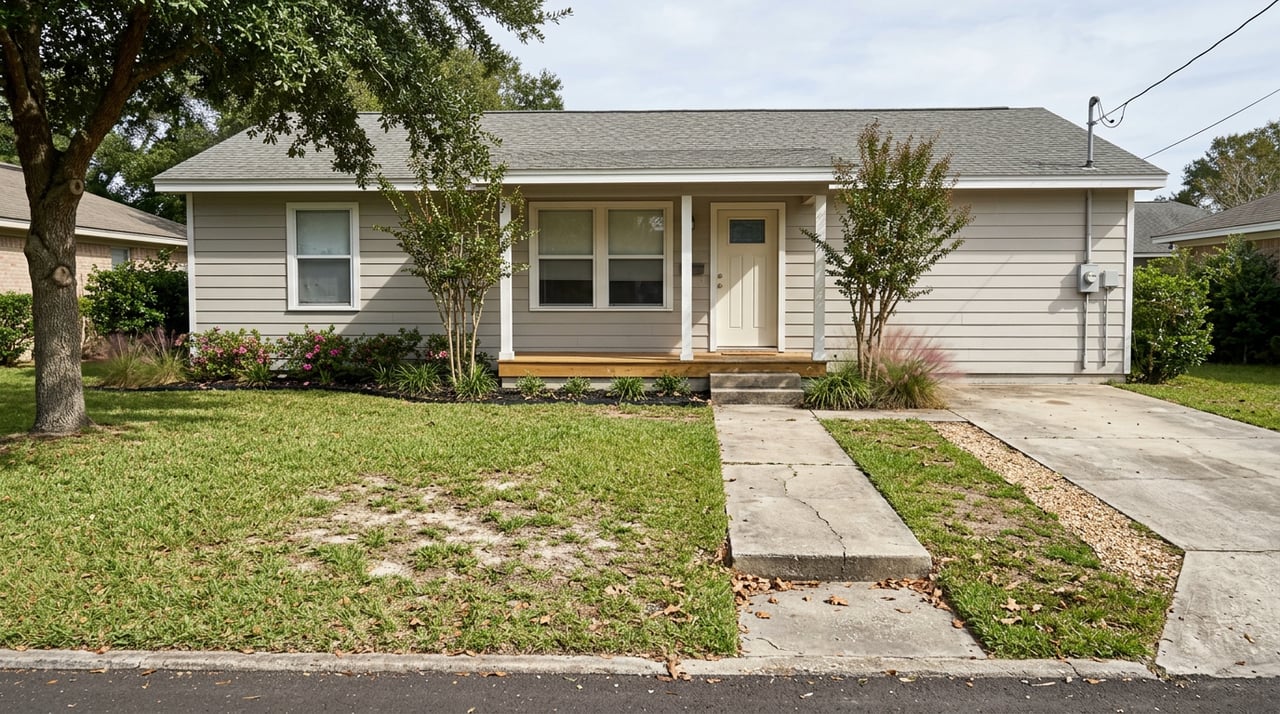
Thinking about moving to a home that fits your life today, not the one you needed years ago? If your Baton Rouge house feels too big to maintain or you want a simpler layout and lower costs, you’re not alone. Rightsizing can free up time, cut stress, and put your equity to work. In this guide, you’ll learn a clear, step-by-step plan tailored to East Baton Rouge so you can sell with confidence and settle into a home that truly fits. Let’s dive in.
What downsizing means in Baton Rouge
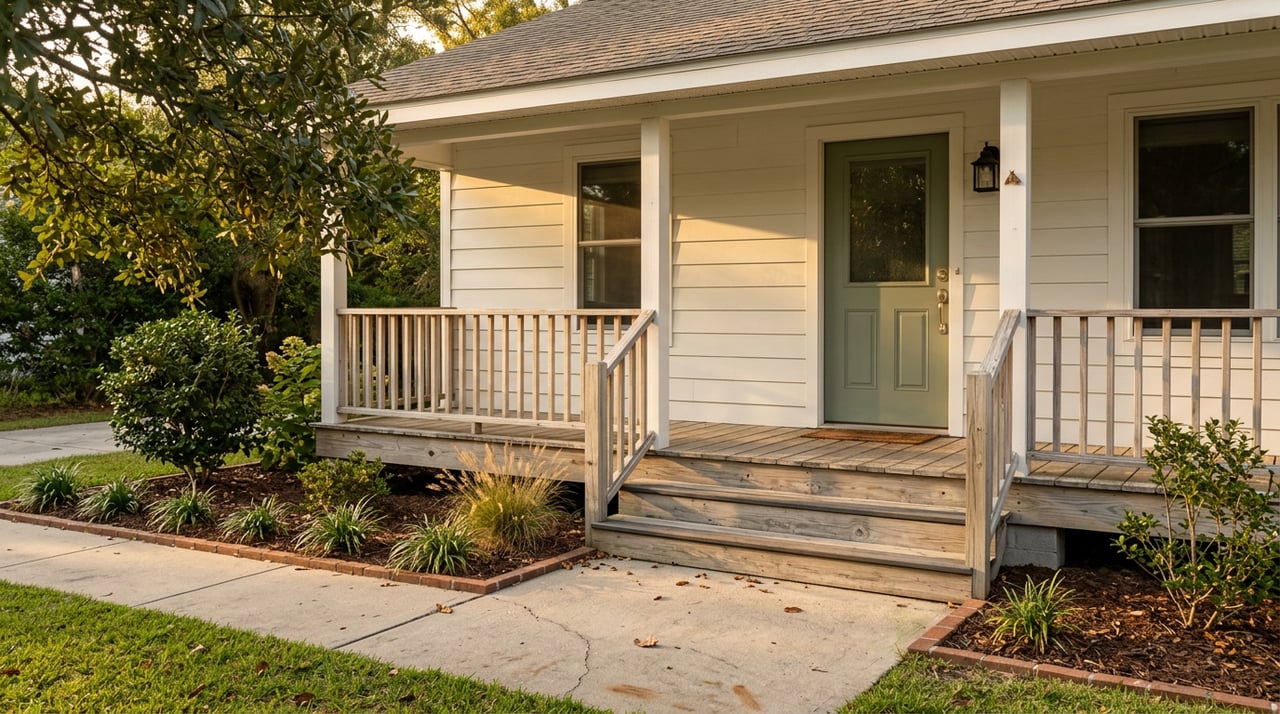
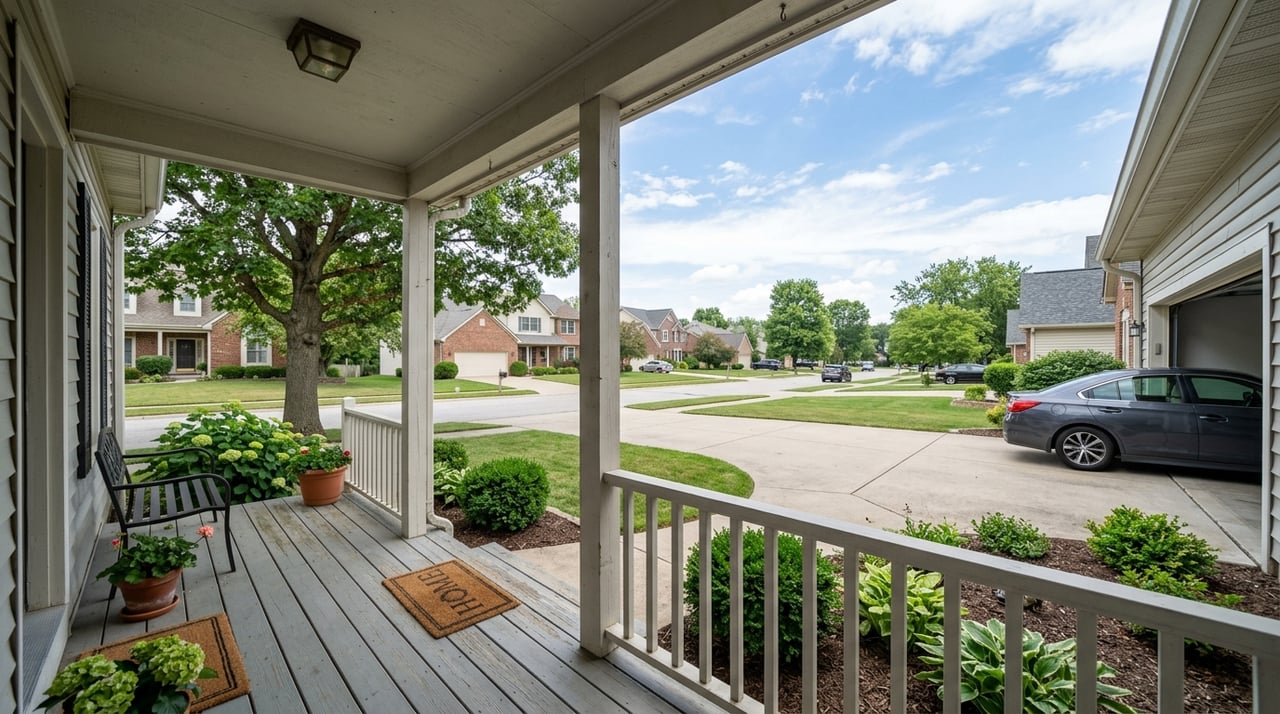
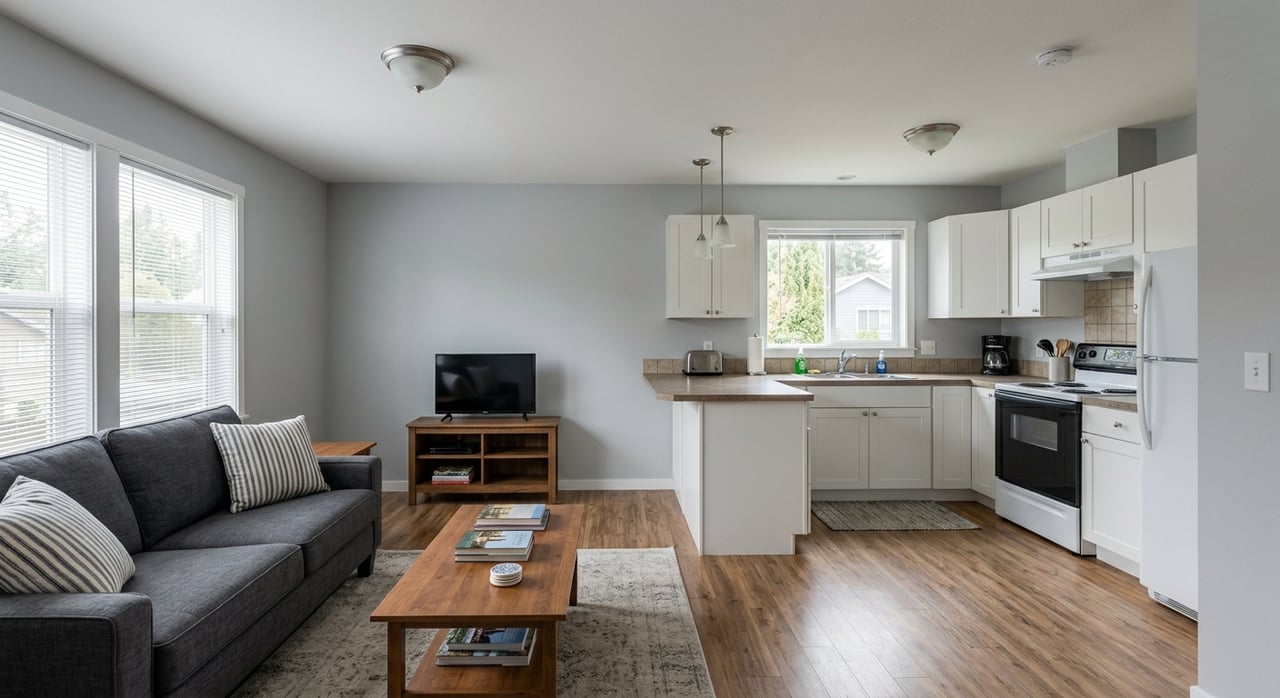
Rightsizing is about matching your home to your lifestyle. It focuses on ease, location, and layout rather than just buying smaller. Many long-time owners choose single-level living, a manageable yard, or a townhome with exterior maintenance handled for them. The key is aligning space and budget with what you value now.
Local market snapshots show median prices in the mid 260s to upper 280s, and days on market have lengthened compared to the 2020–2021 surge. That means smart prep, accurate pricing, and timing still matter. Spring often brings stronger buyer activity, but your best timing depends on your neighborhood, property readiness, and comfort level with moving dates.
Your step-by-step rightsizing plan
Step 0: Set a rightsizing mindset
Begin with your why. Do you want fewer stairs, less yard work, or to be closer to daily services? Write down non-negotiables like single-level living or a walk-in shower. This clarity guides every decision and keeps the process positive.
Step 1: Clarify goals, budget, and timeline
- Identify your top three lifestyle goals. Examples include a one-story layout, smaller yard, or HOA-handled exterior care.
- Estimate your sale proceeds and costs. Agent commissions are negotiated and typically fall within historical ranges. Review a net sheet from a local professional and compare services and fees using guidance similar to what you’ll find on resources like Bankrate’s overview of real estate commissions.
- Map your timeline. Many sellers begin planning 60 to 90 days before listing. Start earlier if you plan repairs or major decluttering.
Step 2: Inventory your home and start decluttering
Sort items into keep, donate, sell, and store. For sentimental items, keep a few key pieces and photograph the rest. Baton Rouge homeowners often use Habitat for Humanity ReStore’s local donation pickup for large items that won’t fit the next home. Schedule pickups a few weeks ahead so you can keep momentum.
Step 3: Decide sell-first or buy-first
- Sell-first lowers the risk of carrying two mortgages and helps you know your exact budget.
- Buy-first can work if you find a perfect place and need to move quickly. Short-term options like bridge loans or a HELOC can help, but each has tradeoffs. Bridge loans are short-term and can be higher-cost. HELOCs are flexible but variable-rate and secured by your current home. Review pros and cons with a mortgage advisor and resources like this plain-language comparison of bridge loans versus HELOCs.
Step 4: Prep your home for the market
Target repairs and cosmetic updates that return value. A pre-list inspection can surface issues early and give you a punch list to tackle. In Baton Rouge, pay special attention to roof condition, HVAC, and termite or wood-destroying insect reports. Be ready to discuss any flood history. You or your agent can verify flood zones using FEMA’s Flood Map Service Center so buyers have clear, accurate information.
Step 5: List, price, and market with intent
If timing allows, aim for a spring listing to capture stronger buyer traffic. If you need to list sooner, price to current comps and emphasize move-in readiness, clear floor plans, and included appliances. In Louisiana, closing involves specific formalities that affect timing. Coordinate early with your title or notary, since Louisiana uses an authentic act system for real estate closings. For background on these requirements, see the Louisiana Civil Code resources from LSU’s Law Center.
Step 6: Plan moving logistics early
Request three quotes from movers and ask about packing help, valuation coverage, and delivery windows. If you need temporary storage between homes, Baton Rouge has many options. Decide what truly needs storage, measure items, and choose climate control if you have wood furniture or photographs. Keep donation pickups on the calendar using Habitat ReStore’s local guidelines so bulky items are gone before photos and showings.
Step 7: Closing details and taxes
- Louisiana closing process. Real estate sales typically close through an authentic act before a notary, often an attorney. That can influence your signing date and recording timeline. Get your closing date, proceeds wiring, and witness requirements confirmed early with your notary or title team. Learn more from LSU’s Civil Code overview.
- Capital gains. If the property is your principal residence and you meet the ownership and use tests, you may be able to exclude up to $250,000 in gain if single or $500,000 if married filing jointly. Review details in IRS Publication 523 and consult a tax pro if you have rental or business use history.
- Property taxes and homestead. If you are buying within East Baton Rouge, review assessed value, millage rates, and homestead guidance with the East Baton Rouge Parish Assessor.
Choosing your next home in Baton Rouge
Townhome or condo
- Pros: Smaller footprint, less exterior work, and HOA-managed common areas. Often close to services and medical care.
- Cons: HOA fees and rules, shared walls, and limited storage in some communities. Review HOA budgets, rules, and reserves before you buy.
Smaller single-family home
- Pros: Private entry, potential for a small yard, and easy aging-in-place with single-level layouts. Resale can be strong in many suburban pockets.
- Cons: You still handle yard and exterior maintenance unless you hire it out. Compare total cost, not just mortgage payments.
55+ and continuing-care options
- Pros: Low-maintenance living, social activities, and sometimes a continuum of care.
- Cons: Entry or monthly fees and eligibility rules. Availability changes, so consider using a local senior-living directory like Continuing Care Communities for a survey of options, then verify details directly with each community.
Flood risk, insurance, and location
Flood exposure should be a top factor in your decision. Parish materials note that roughly 40 percent of East Baton Rouge Parish land lies in mapped flood hazard areas. Review local guidance on flood awareness from the City-Parish, then confirm a specific address using FEMA’s Flood Map Service Center. If a lender requires flood insurance, build that premium into your monthly budget.
Aging-in-place features to prioritize
Look for single-level circulation, a full bathroom on the main level, low-threshold or walk-in showers, wider doorways and halls, non-slip floors, and good lighting. The CDC’s STEADI program offers helpful checklists for fall prevention and home safety. Explore their home safety resources and plan simple upgrades early.
Pre-list checklist for Baton Rouge sellers (60–90 days out)
- Do a repair walk-through and consider a pre-list inspection.
- Begin decluttering and sell or donate bulky pieces. Schedule Habitat ReStore pickup for large items.
- Request a comparative market analysis and a net sheet. Compare services, terms, and fees with guidance like Bankrate’s summary of commission norms.
- Gather key documents: past insurance claims, flood disclosures, recent utility bills, and any termite or WDI records.
Example seller timeline
- Day -90 to -60: Declutter, pre-list inspection, and scope repairs.
- Day -45 to -30: Make repairs, deep clean, and stage. Book media.
- Day 0: List the home. If flexible, aim for a spring window. Confirm showing instructions and offer review plan.
- Day 7 to 30: Review offers and negotiate. Choose a closing date that works with your move and Louisiana authentic act requirements. Coordinate details with your notary or attorney using this state overview.
Storage options checklist
- Decide what truly needs short-term storage. Measure items and box counts.
- Choose climate control for wood furniture, instruments, photos, or documents.
- Compare access hours, security features, insurance options, and month-to-month terms.
Safety checklist for moving to a smaller home
- One-level circulation and minimal steps at entries.
- Grab bars and a walk-in or low-threshold shower.
- Non-slip flooring and brighter, even lighting.
- A planned spot for mobility aids, if needed. Review CDC STEADI checklists for more ideas.
Ready to rightsize with less stress and more clarity? If you want local guidance on pricing, timing, and your next home options in East Baton Rouge, reach out to Charlotte Johnson for a friendly, no-pressure plan and to Get Your Free Home Valuation.
FAQs
What does “rightsizing” mean for a Baton Rouge homeowner?
- Rightsizing means choosing a home that fits your life now, not just a smaller one. You focus on layout, maintenance needs, location, and budget to reduce stress and daily workload.
When is the best time to list a downsizing home in Baton Rouge?
- Spring often brings stronger buyer activity, but your best timing depends on neighborhood comps and property readiness. Aim for a show-ready home and price to current conditions.
How do Louisiana closing rules affect my sale?
- Louisiana uses an authentic act for real estate closings, usually before a notary who is often an attorney. This can impact scheduling and recording. Coordinate early with your notary or title team and review LSU’s overview.
How do I check flood risk and insurance needs before I buy my next home?
- Verify the property’s flood zone on FEMA’s Flood Map Service Center and review local guidance from the City-Parish. If the home is in a Special Flood Hazard Area, lenders often require flood insurance.
What taxes might I owe when selling my primary home?
- Many sellers can exclude up to $250,000 in gain if single or $500,000 if married filing jointly, if ownership and use tests are met. See IRS Publication 523 and ask a tax pro about your situation.
Should I sell first or buy first when downsizing?
- Sell-first reduces risk and clarifies budget. Buy-first can work if you use a short-term solution like a bridge loan or HELOC, but each has costs and requirements. Review options with a lender and read up on bridge loans versus HELOCs.